Breaking Barriers, Making Talent Visible
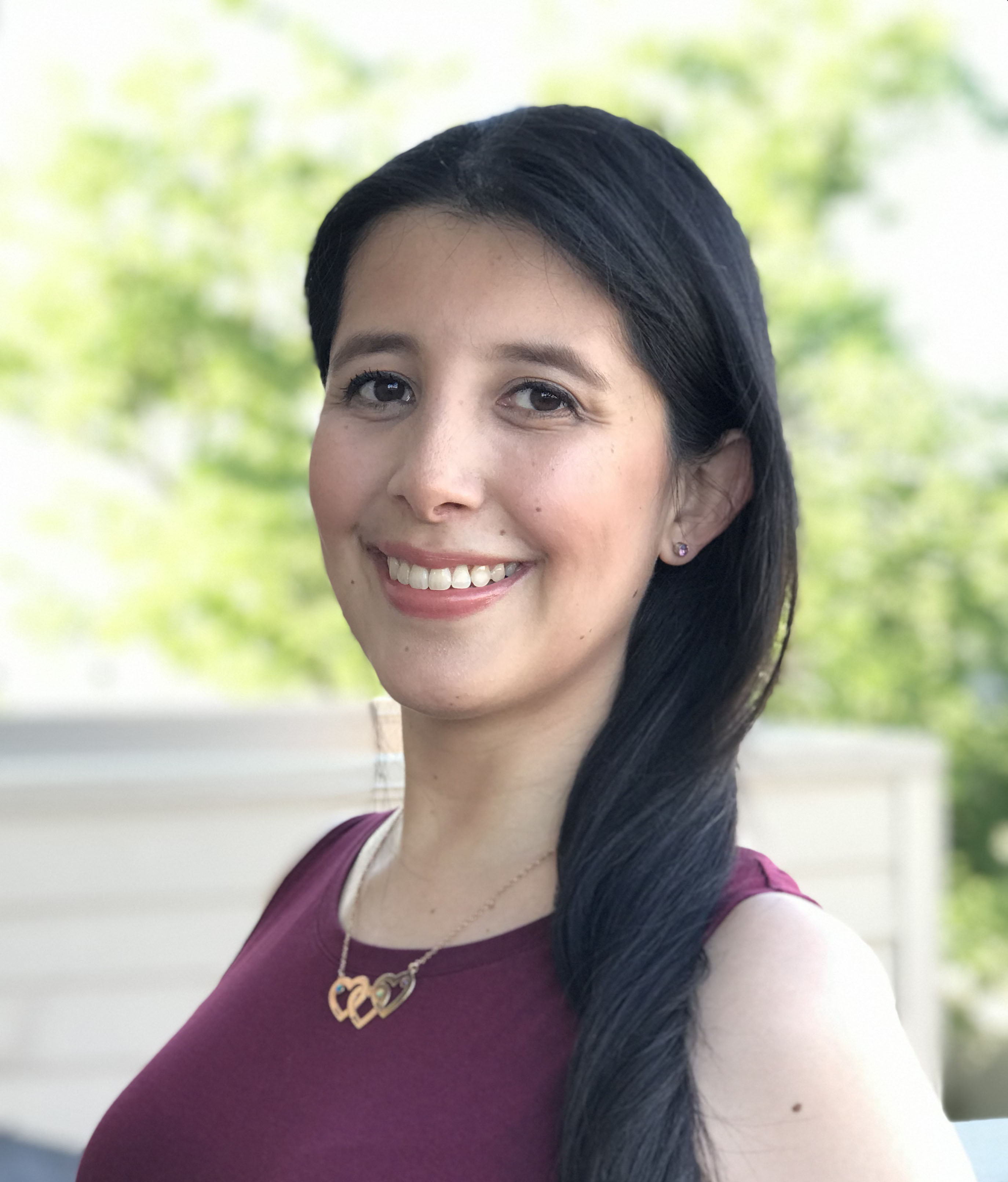
By Lucia Torrado
Ten years ago, while volunteering at the HGS booth at the GSA Annual Meeting, I found myself standing next to the International Association for Geoscience Diversity’s booth. They had produced tactile 3D models of geologic blocks, designed so that geologists with visual impairments could explore fault and deformation styles by touch. Holding these blocks in my hands was a humbling reminder that accessibility in our field can take many forms: from how we visualize data to how we teach, communicate, and mentor. Whether through inclusive teaching tools or career support, the principle is the same—small, intentional actions can make talent and potential visible.
This idea of visibility and access also applies in the workplace. Companies often struggle to find talent while qualified professionals remain overlooked—a challenge sometimes called the “energy talent paradox.” Adriana Henao’s article, The Energy Talent Paradox, explores the barriers professionals face in finding opportunities. Building on that conversation, Julio Monsalve highlights a mentoring program that helps professionals translate skills into impact, build relationships, and navigate careers, showing how targeted, intentional interventions can make talent visible and opportunities more equitable.
Volunteering continues to break barriers in other ways as well. Debbie Caperton recounts the creative ways HGS volunteers bring geoscience to K–12 students, inspiring curiosity and future careers. These hands-on outreach efforts demonstrate that even small, thoughtful interventions can leave a lasting impact—showing students, volunteers, and professionals alike that visibility and engagement matter.
Even the details we might take for granted can influence accessibility. This month’s GeoPick explores color-blind–friendly palettes that make maps, seismic figures, and classroom materials more inclusive. Sometimes, the barriers in our profession are complex and systemic. Other times, they start with something as simple as the colors we choose—yet the effect is the same: small design choices can either open doors or create obstacles.
Finally, we’re excited to announce the launch of our new HGS website, designed to be accessible and welcoming to all. From mentoring to outreach to inclusive visualization, the work we do as a community matter because it opens doors and makes geoscience more visible, understandable, and equitable.
As always, I invite the HGS community to share your thoughts, experiences, and feedback as we explore these topics together.
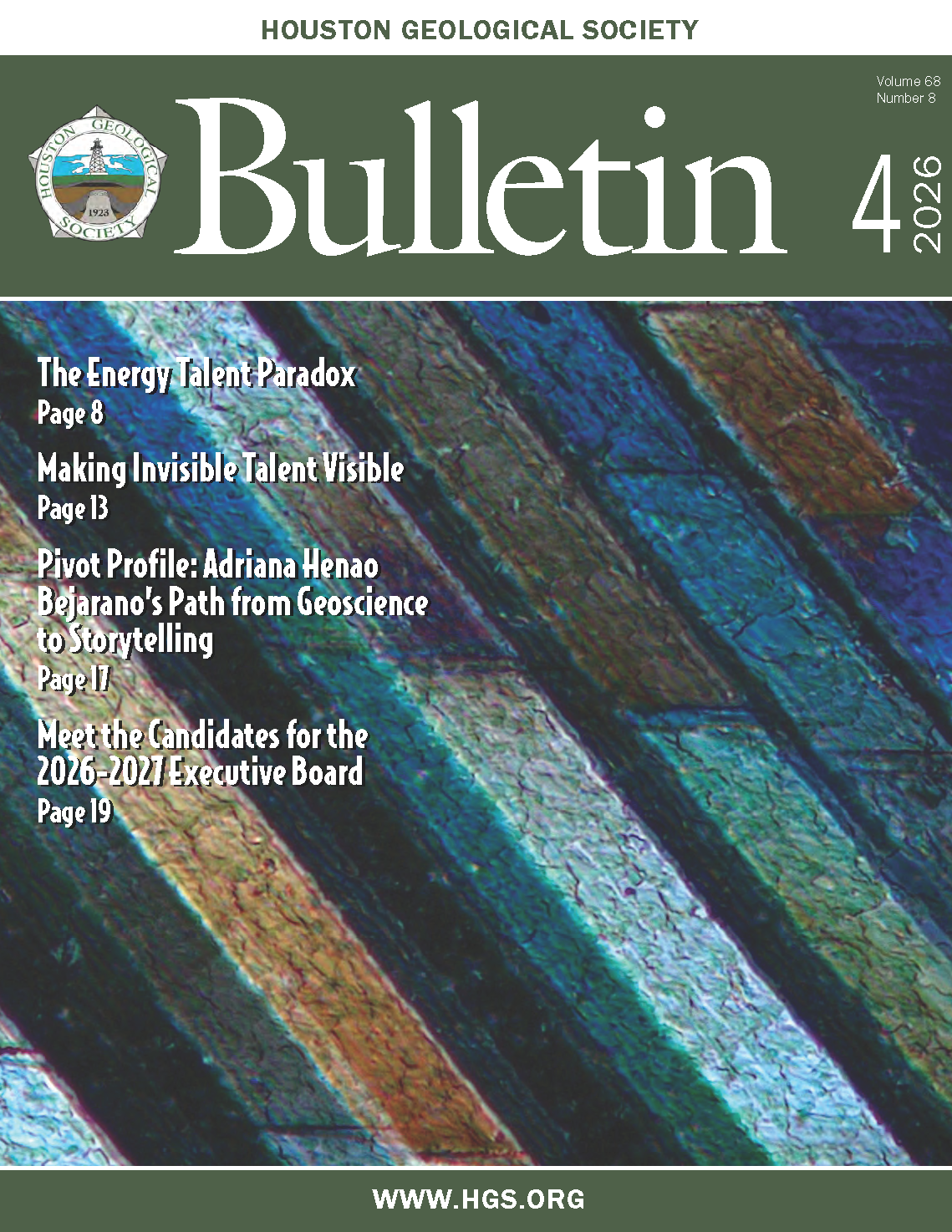
In This Issue of the Bulletin
• The Energy Talent Paradox
In this feature article, Adriana Henao examines why the energy sector struggles to connect with the professionals it needs. Using real-world profiles, the article shows how diverse career paths and skills often go unrecognized, and highlights the need for communication, collaboration, and adaptability to make talent visible and actionable.
• Making Invisible Talent Visible
Julio Monsalve’s feature article follows up on Adriana Henao’s reflection, exploring a mentorship program that helps geoscience and energy professionals translate their skills into impact, build relationships, and navigate careers in a sector that often overlooks unconventional paths.
• Pivot Profile: Adriana Henao Bejarano’s Journey from Geology to Storytelling
This month’s Pivot Profile details how Adriana transitioned from a technical geoscience career to copywriting and strategic communication, showing how translating technical expertise into clear, audience-focused communication can expand professional identity and open new opportunities.
• GeoPick: Seeing Color Clearly in Geoscience
This month’s GeoPick explores how color choices in maps, seismic data, and figures can hide information for color-blind colleagues and highlights free online tools to make geoscience clearer and more inclusive.
• How Outreach Volunteers are Making a Difference
Debbie Caperton highlights the HGS Educational Outreach Committee’s efforts to bring geoscience to life for K–12 students and the community through school visits, museum events, hands-on workshops, and STEM challenges. All of this is possible thanks to HGS volunteers who engage hundreds of students every year.
• Meet the 20206-2027 Board Candidates
In this issue, you’ll find the candidates’ profiles, statements, and information to help you make an informed choice. All members are encouraged to participate and cast their votes: your voice matters in shaping the future of the society.
Erratum
In the March 2026 issue, three section headers in the article Scholarship Nights (pages 54–56) were inadvertently mixed with headers from the SEFH article. The online version has been corrected. We apologize for the error.